Children in Tourism
ATLAS Special Interest Group
Children in Tourism
The coordinators of this Special Interest Group are:
Tina Šegota – University of Maribor, Faculty of Tourism, Slovenia
Heike Schänzel – Auckland University of Technology, School of Hospitality & Tourism, New Zealand
Children, defined by the UN Convention on the Rights of the Child as individuals under 18, comprise 31% of the global population, with 87% residing in the Global South (Schänzel & Yang, 2024). Despite their demographic significance and active roles in both consuming and hosting tourism, children remain marginalised in tourism research. Historically, scholarship has prioritised adult perspectives. However, recent research has increasingly acknowledged children as active participants and social agents within tourism contexts.
Studies have begun to explore children’s experiences more inclusively, yet much of the literature remains skewed towards wellbeing narratives, overlooking complex issues such as child labour, exploitation, and the impacts of tourism on host children. With up to 19 million children involved in tourism-related work, and emerging research on children in family-based tourism enterprises (Canosa & Schänzel, 2021), critical gaps persist—especially concerning children in host communities (Koščak et al., 2024).
A growing body of work advocates for child-inclusive, participatory methodologies that recognise children as competent social actors (Schänzel, Khoo & Yang, 2026). Grounded in the principles of childism, this approach challenges adultist biases that frame children as passive or incomplete. It argues for their recognition as rights-holders capable of contributing valuable insights into tourism experiences and impacts.
Considering the Sustainable Development Goals (SDGs) and broader human rights imperatives, tourism scholarship must expand to include diverse childhoods and geographies. Children, whether tourists or hosts, are vital stakeholders in tourism systems. Greater inclusion of their voices is essential to developing equitable, child-aware, and socially sustainable tourism futures.
The group’s core aim and objectives include:
• promoting children’s rights-informed approach to participation in tourism research, policy, and practice that better recognises the complexities of childhood experiences, whether as hosts or guests in tourist destinations.
This involves:
• Promoting children’s rights to participation (i.e., in the governance of tourism)
• Advancing child-centred theories and methodologies in tourism
• Working towards achieving SGDs, e.g., SDG3 (good health and wellbeing), SDG8 (decent work and economic growth), SDG10 (reduced inequalities), SDG11 (sustainable cities and communities)
• Facilitating knowledge exchange between academia, industry, and organisations (e.g., youth councils, UN Tourism, UNDP)
• Building collaborative networks to address the complex challenges of involving children in tourism
Looking ahead to 2026, we aim to:
• Establish a network of researchers and practitioners
• Organise webinars with academics, child/youth agencies, and practitioners
• Develop collaborative research projects inclusive of children’s voices
• Host specialised seminar and workshop at the 2026 ATLAS Annual Conference
References
Canosa, A., & Schänzel, H. (2021). The role of children in tourism and hospitality family entrepreneurship. Sustainability, 13(22), 12801.
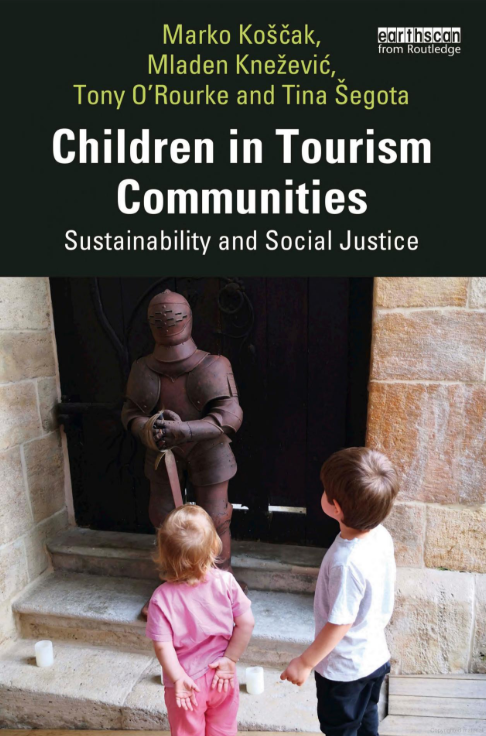
Koščak, M., Knežević, M., O’Rourke, T., & Šegota, T. (2024). Children in Tourism Communities: Sustainability and Social Justice. Taylor & Francis.
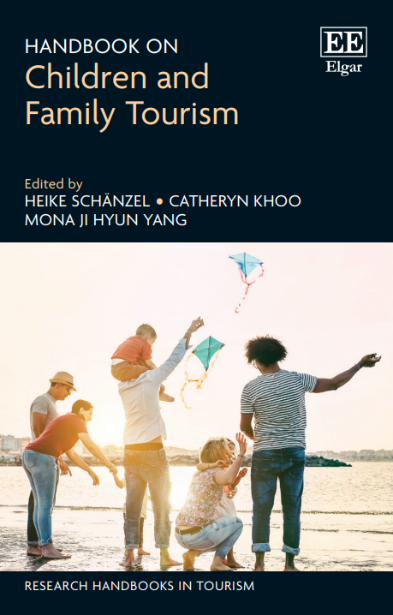
Schänzel, H., Khoo, C., & Yang, M. (2026, forthcoming). Handbook on Children and Family Tourism. Edward Elgar.
Schänzel, H., & Yang, E. C. L. (2024). Children in tourism. Frontiers in Sustainable Tourism, 3, 1368164.
ATLAS SIG Soundbite 19 – Children in Tourism
In the ATLAS SIG Soundbites series the different ATLAS Special Interest Groups tell about their SIG.
Annual review of activities – 2026
The ATLAS SIG Children in Tourism was successfully launched on 20 November 2025. The day was selected deliberately to coincide with World Children’s Day, UNICEF’s Global Day of Action for children, and to mark the adoption of the Convention on the Rights of the Child (CRC). The launch in the form of a Webinar attracted attention from numerous scholars worldwide. The main guest speaker of the launch webinar was Dr Antonia Canosa from the Centre for Children and Young People at Southern Cross University, Australia, an expert on the children’s rights agenda and childism in tourism. After the guest talk, the discussion evolved to future engagements and collaborations.
The SIG coordinators also recorded a soundbite talk with Dr Jane Turner in March 2026, reflecting on the idea of SIG, planned activities and research opportunities.
The Children in Tourism also proposed to convene a Special Track at the upcoming ATLAS annual conference “Community, Collaboration and Co-creation in Times of Crisis” to be held in Leeds, UK (June 23 – 26, 2026). The Special Track is titled “Children’s voices in tourism” and has contribution proposals. During the ATLAS annual conference, the SIG coordinators plan to hold a meeting with special track attendees to explore publication opportunities and follow up by engaging participants in future activities within the SIG.
Planned activities for 2026 include dedicated webinars on methodological approaches to researching children in tourism. By the end of 2026, we also plan to engage SIG members in drafting guidelines for interacting with children in tourist destinations and promote activities and research outputs on the topic.